The Complete Process of Full Mouth Reconstruction Explained
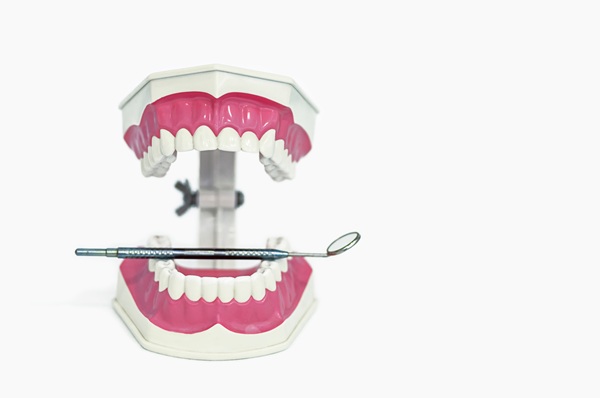
Full mouth reconstruction offers a path toward a healthier life by restoring the essential functions of chewing and speaking while also improving the overall aesthetic of the smile. However, it does not pose a one-size-fits-all approach. Our general dentist will assess each patient by tentatively following the steps below.
Step 1: Deep-dive diagnostics and digital mapping
The journey toward a new smile starts with extensive detective work to uncover the root causes of dental breakdown. The general dentist performs a thorough evaluation of the periodontal (gum) tissues, the strength of the jawbone, and the current condition of existing restorations. They also use X-rays and 3D cone-beam computed tomography (CBCT) scans, which provide a transparent view of the anatomy hidden beneath the surface. These images help the dentist identify hidden infections or areas of bone loss that may compromise the success of full mouth reconstruction procedures.
Additionally, digital impressions and photography also play a vital role in this early stage. Instead of messy traditional molds, a handheld scanner captures thousands of data points to create a virtual model of the mouth. This digital blueprint allows the dentist to simulate different outcomes before the first procedure begins. Accurate diagnostics prevent surprises and ensure the final treatment plan stays on track from start to finish.
Step 2: Designing a balanced and healthy bite
A predictable outcome depends on a blueprint that respects the natural movement of the jaw joints. The dentist evaluates the temporomandibular joint (TMJ) to ensure that the new tooth positions do not create strain or chronic headaches. If a patient exhibits signs of excessive grinding or clenching (bruxism), the plan incorporates strategies to mitigate these forces. This design phase ensures that the new restorations not only look aesthetically pleasing but also improve the patient's quality of life.
Note that some individuals require greater chewing strength, whereas others focus on managing persistent sensitivity or food impaction. The dentist creates a sequence that outlines all necessary appointments, the expected timeline, and the specific roles of each specialist, if needed. This clear roadmap aims to help patients feel informed and comfortable with the investment in their health, and to better prepare for each upcoming phase.
Step 3: Stabilizing the foundation
No one builds a masterpiece on a shaky foundation, and the same logic applies tofull mouth reconstruction. Before placing the final restorations, patients must have a healthy oral baseline in which the gums are firm and the bone is stable. To help, the dentist may introduce periodontal therapy to remove the bacteria that cause inflammation and recession. If gum or bone recession has occurred, they may incorporate grafting to rebuild thin areas. Addressing these issues early protects the margins of new restorations and prevents the spread of harmful bacteria.
If necessary, this stage may include the use of temporary restorations. These provisional teeth allow the patient to test the new bite and appearance in the real world. If the patient experiences a slight pinch or an uneven contact while eating, the dentist adjusts the temporaries. This trial period serves as a safety net to ensure the final porcelain versions provide absolute comfort.
Step 4: The rebuilding and restoration phase
Once the mouth remains healthy for a time, the physical rebuilding of the teeth begins in earnest. Teeth with significant enamel loss receive custom crowns, inlays, or onlays to protect their inner structures, but for those missing one or more teeth, dental implants or bridges fill the gaps to restore full biting force and aesthetics. The dentist often treats the mouth in sections to ensure the bite remains balanced as the transformation progresses.
The materials selected for this phase offer a blend of extreme durability and life-like beauty. Composite provides the strength necessary for back molars that handle heavy grinding, while translucent porcelain offers the grace needed for front teeth. The dentist works closely with an off-site dental laboratory to ensure every restoration matches the patient's unique facial proportions. As a side note, this phase is typically when the patient experiences the most significant shift in their ability to enjoy a diverse, healthy diet.
Step 5: Final refinements
The final steps in full mouth reconstruction involve a meticulous fine-tuning of the dental work to ensure it looks and feels as natural as possible. The dentist examines the contact areas between teeth to prevent food traps and polishes every surface to a high-gloss finish. Even a fraction of a millimeter can change how a bite feels, so the dentist uses specialized tools to identify and smooth away high spots. This attention to detail ensures the mouth feels like a natural part of the body rather than a set of foreign objects.
Schedule a consultation
Reclaiming your oral health through full mouth reconstruction addresses years of wear and provides a fresh start for your smile. Each phase, from the initial digital mapping to the final bite adjustments, ensures that the result is as functional as it is beautiful. For more information or to schedule a consultation, contact Midtown General & Cosmetic Dentistry.
Request an appointment here: https://www.charlottemidtowndentistry.com or call Midtown General & Cosmetic Dentistry at (704) 307-4525 for an appointment in our Charlotte office.
Check out what others are saying about our dental services on Yelp: Full Mouth Reconstruction in Charlotte, NC.
Related Posts
A cosmetic dentist can do more than improve the appearance of your teeth. A brighter, more balanced smile may be the first thing people notice, but the benefits often extend beyond appearance. It is common to feel more motivated to care for your smile after cosmetic work; it may even be easier with straight teeth.…
A cosmetic dentist can address many common smile concerns by combining careful planning with treatments designed to improve balance, color, shape, and overall appearance. While some issues seem minor at first, they can affect confidence, oral function, and the way a smile ages over time. Understanding which conditions our dentist can treat helps patients choose…
Cosmetic dentists blend artistry with modern science to elevate a smile while safeguarding long-term oral health. Whether goals involve brighter teeth, improved symmetry, or a more balanced bite, a cosmetic dentist designs personalized solutions that look natural and feel comfortable. Understanding the most common services clarifies options and helps set realistic expectations for timing, cost, and…
Your first cosmetic dentist visit can be full of anxiety. How do you know what to ask? Do you need to know what you want ahead of time? What if you do not know the answer to a question asked by the dentist? Will you have work done on the same day as your appointment?It…