How Clear Aligners Straighten Teeth Without the Hassle of Braces
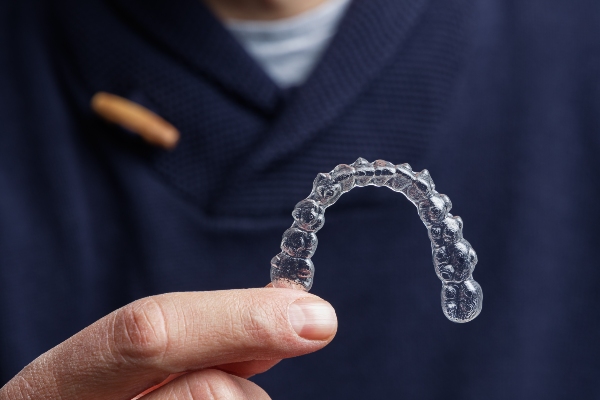
Traditional metal braces have long been the standard for teeth straightening, but advances in orthodontics now offer a more convenient and discreet alternative. Clear aligners gradually shift teeth into place using a series of custom-made trays. Many patients prefer this approach due to convenience and comfort. If you are seeking a way to enhance your smile without the challenges associated with braces, clear aligners offer a modern solution that can fit seamlessly into your day-to-day life.
How clear aligners straighten teeth gradually
Clear aligners work through a carefully planned series of customized medical-grade plastic trays that move teeth into the correct position over six to 24 months. Each aligner tray applies gentle pressure to specific teeth to gradually shift them according to a precise treatment plan. Patients transition to a new set of trays every one to two weeks, with each adjustment bringing teeth closer to the desired alignment. A general dentist will provide several sets of trays ahead of time, so the patient only needs a checkup every six to eight weeks.
The clear aligner process begins with digital impressions or 3D scans, which allow a dentist to map out the step-by-step movement of the teeth. This advanced technology ensures accuracy in treatment and helps predict the expected outcome before the aligners are even worn. The gradual progression minimizes discomfort compared to traditional braces, as each tray makes only small adjustments rather than applying continuous force with metal brackets and wires.
Comparing clear aligners to braces
Traditional braces and clear aligners both aim to correct misalignment, but they differ significantly in terms of the following:
Convenience
Clear aligners offer an unmatched level of convenience. The ability to remove aligners when eating, drinking, brushing, and flossing allows for better oral hygiene and fewer dietary restrictions. Unlike braces, which require special cleaning tools and careful maintenance, aligners allow for normal brushing and flossing routines.
Fewer visits to the general dentist are another advantage. Traditional braces require regular adjustments, while clear aligners only need periodic checkups to ensure treatment is progressing as planned. The dentist will also provide several aligner trays during these appointments. This makes aligners a more flexible option for those with busy schedules.
Discreet appearance
For patients concerned about the appearance of orthodontic treatment, clear aligners provide a nearly invisible alternative to metal braces. Aligners contain transparent plastic and fit snugly over the teeth without drawing attention. This differs from traditional braces, including metal brackets and highly noticeable wires.
This discreetness makes clear aligners particularly appealing to adults and teenagers who prefer a subtle orthodontic solution. Even in social settings, aligners remain unobtrusive, allowing patients to feel more confident while undergoing treatment.
Candidacy
Clear aligners are effective at treating mild to moderate orthodontic concerns, including crowded teeth, gaps, and minor bite issues. However, traditional braces are typically necessary for more complex cases, such as severe misalignment or significant bite corrections. A thorough evaluation by a general dentist helps determine whether aligners are a suitable option based on individual orthodontic needs.
Note that compliance is also a factor in candidacy. Patients must wear clear aligners for at least 20 hours per day to achieve results. Unlike braces, which remain fixed in place, aligners require a commitment to consistent wear.
What else to expect from clear aligners
Beyond the gradual movement of teeth, clear aligners offer a streamlined and predictable treatment experience. Because they are custom-made for each patient, they fit comfortably and avoid the irritation commonly associated with metal braces. While some mild pressure may be felt for a day or two after switching to a new set, discomfort is typically minimal.
It can take a couple of days for patients to adjust to speaking with clear aligners, as the tongue must adapt to the trays. However, most patients quickly become accustomed to speaking normally. Patients can plan ahead so that they switch trays on days off to avoid interruptions to their work or social life.
Proper care of aligners is also essential to maintain their clarity and effectiveness. Regular cleaning with lukewarm water, as well as avoiding exposure to hot beverages while wearing them, helps prevent staining and warping.
Ask a general dentist about clear aligners
Choosing the right orthodontic treatment is an important decision that affects both appearance and long-term oral health. Clear aligners provide an effective and discreet way to achieve a well-aligned smile without the inconvenience of traditional braces. Consult Midtown General & Cosmetic Dentistry to learn whether you are a good candidate for aligners.
Request an appointment here: https://www.charlottemidtowndentistry.com or call Midtown General & Cosmetic Dentistry at (704) 307-4525 for an appointment in our Charlotte office.
Check out what others are saying about our dental services on Yelp: Clear Aligners in Charlotte, NC.
Related Posts
A root canal treatment is an optimal way to restore your tooth. It is also an effective way to protect your tooth. Dental damage can result from an injury or decay. Tooth extraction is an easy solution but keeping your natural tooth structure is healthier. If you want to know how a root canal treatment…
Dental implants are a popular tooth replacement option among dental professionals. They offer an array of benefits that other tooth replacement options do not, which is why they are often considered state-of-the-art. However, not everyone is a candidate for dental implants, and dental bridges or dentures are a better fit for some patients. Patients should…
Tooth replacement plays an important role in restoring comfort, confidence, and oral health when one or more teeth go missing. Missing teeth affect chewing, speech, and the appearance of the smile, and they also influence jawbone health over time. Modern dentistry offers several options that address different needs, budgets, and timelines. Understanding the strengths of…
Root canal treatment can help with gums and the underlying jawbone. Read on to learn more about this endodontic treatment. This article discusses root canal treatment and how it can improve the health of the tooth receiving the treatment as well as the gums that support it. Gum and tooth health often go together. If…